


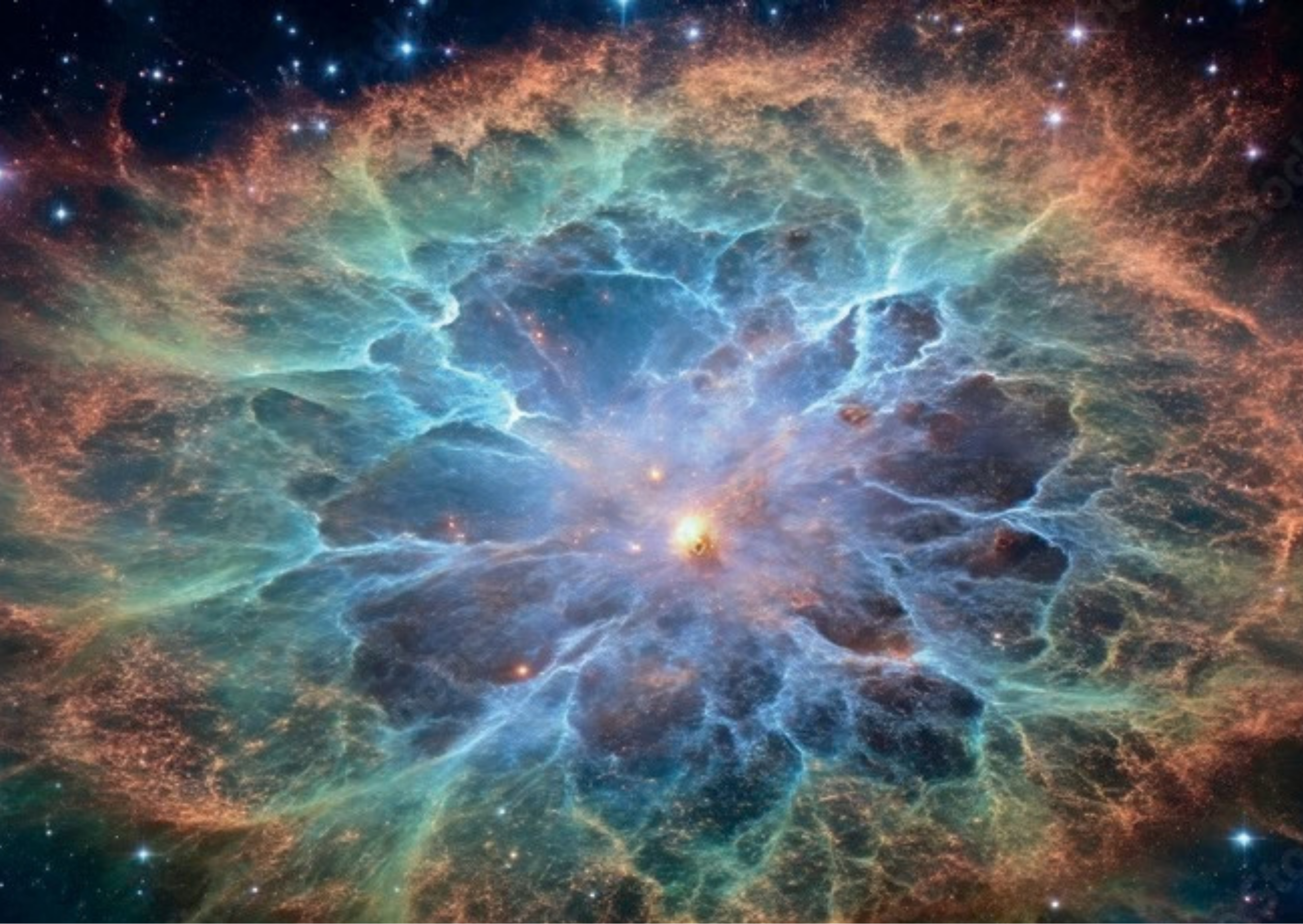
Supernova Explosions: A Multi-Physics Challenge Beyond Astronomy – Professor Hans-Thomas Janka
November 10 at 13.15 (CET)
Congress Hall, Building D-20, 8 Janiszewskiego St., Wrocław
Cosmic explosions matter not just for astronomy
The lives of massive stars are terminated by a final catastrophic collapse to a neutron star or black hole. Both can be accompanied by a supernova explosion. These events play a crucial role in the dynamical evolution of galaxies and their enrichment with chemical elements, as cosmic laboratories for particle and nuclear physics, and as sources of electromagnetic radiation, neutrinos, and gravitational waves, including those currently measured from colliding compact objects in binaries. Modern supercomputer simulations in three dimensions support the long-standing paradigm that energy transfer by neutrinos drives the far majority of supernova explosions. These models begin to yield explanations for many observed phenomena, but they also still struggle with unsolved problems. The talk will introduce the basic theory, describe the forefront of current research, and highlight some topics where supernova theory is linked to astronomy, particle physics, and nuclear physics.
We are honored to invite the academic community and members of Academia Europaea to a lecture by Professor Hans-Thomas Janka, an acclaimed German astrophysicist as part of the Interdisciplinary Scientific Seminar at Wrocław University of Science and Technology.
The lecture, titled “Supernova Explosions: A Multi-Physics Challenge Beyond Astronomy,” will take place on Tuesday, 10 November, at 1:15 p.m. at the Congress Hall of Wrocław University of Science and Technology (building D-20, 8 Janiszewskiego St.).
The event is open to all interested attendees. Advance registration is required. The link will be available soon.
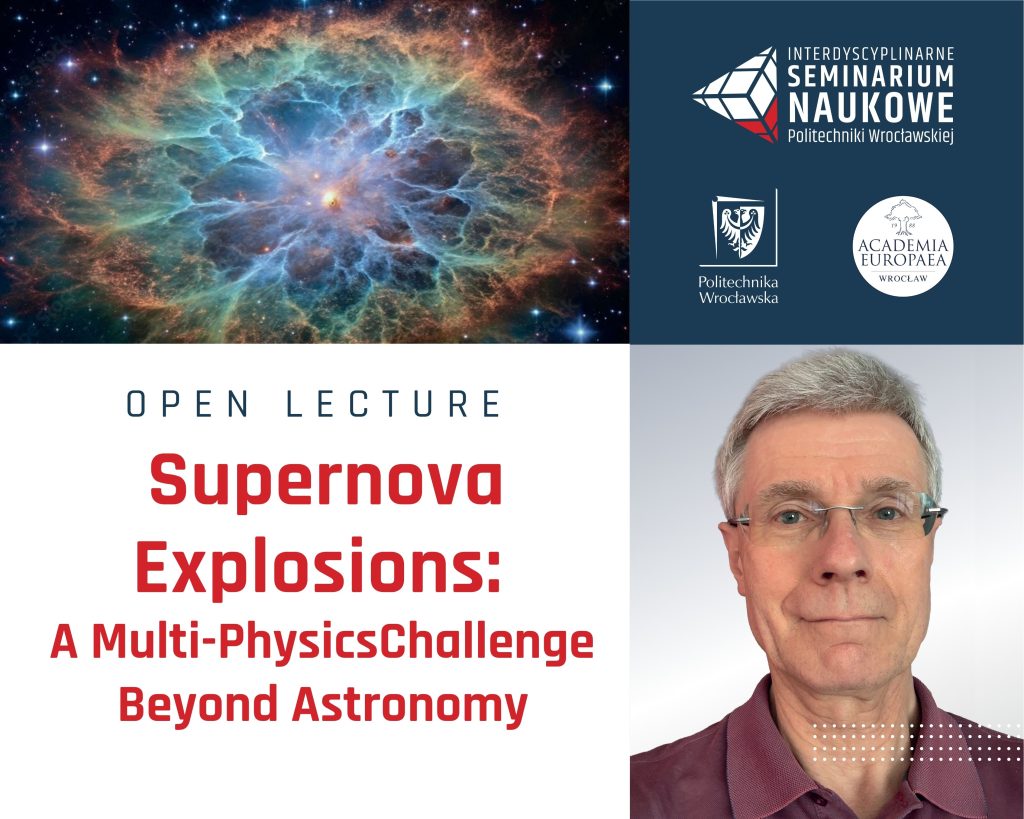
BIO:
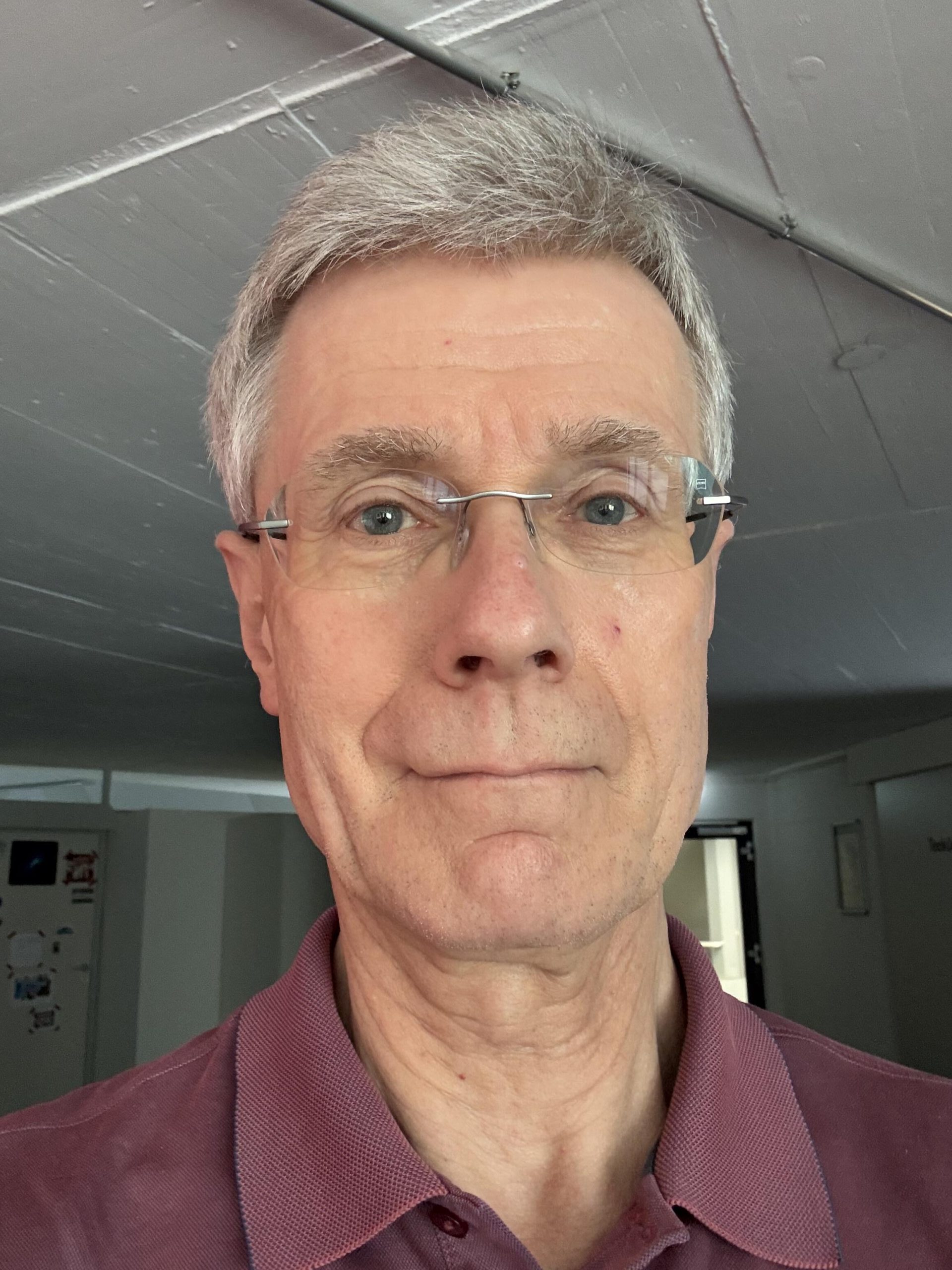
Hans-Thomas Janka is staff scientist and group leader at the Max Planck Institute for Astrophysics (MPA) in Garching and Adjunct Professor at the Technical University Munich (TUM). His research fields are the theory of supernova explosions and neutron-star formation, neutrino and nuclear astrophysics, and numerical hydrodynamics and neutrino transport. With his group he has pioneered multi-dimensional simulations of neutron-star mergers and core-collapse supernovae, for which he was awarded the Karl Schwarzschild Medal of the German Astronomische Gesellschaft in 2022. He also received the Otto Hahn Medal of the Max Planck Society (1991), the Heinz Billing Prize for Scientific Computing (1993), and the Hanno and Ruth Roelin Prize for Scientific Publishing (2011). Supported by an ERC Advanced Grant (2013-2019), he began to explore the connection between massive stars and their supernova explosions by three-dimensional simulations with a strong emphasis on testing models through astronomical observations. This is still the main focus of his group, which receives funding by the German Research Foundation through a Collaborative Research Centre on “Neutrinos and Dark Matter” (SFB 1258) and the Cluster of Excellence ORIGINS (EXC 2094).

The Interdisciplinary Scientific Seminar is a series aimed at a wide audience – students, doctoral candidates, researchers, and anyone interested in expanding their knowledge. Wrocław University of Science and Technology regularly hosts experts from various fields who are eager to share the results of their research.
ISN attendees have had the opportunity to listen to, among others, the 2023 Nobel Prize laureate in physics – Prof. Ferenc Krausz, renowned architect and urban planner – Prof. Kees Christiaanse from ETH Zurich, world-famous cognitive science expert Prof. Peter Gärdenfors from Lund University, Prof. Szymon Malinowski – Chair of the Polish Academy of Sciences’ Climate Crisis Committee, as well as Finnish researcher Prof. Tomi Kauppinen from Aalto University, Dr. Karolina Ćwiek-Rogalska from the Institute of Slavic Studies of the Polish Academy of Sciences, the creator of the psychological theory of implementation intentions Prof. Peter Gollwitzer from New York University, and Prof. Stephen Evans – Director of Research in Sustainable Development at the University of Cambridge.
November 10 at 13.15 (CET)
Congress Hall, Building D-20, 8 Janiszewskiego St., Wrocław